
Chastity Cage Sizing Guide: How to Get an Accurate Fit | MySexToysIndia
Chastity Cage Sizing Guide: How to Get an Accurate Fit
Comfort and security both start with the right measurements. Here's how to get it right the first time.
A chastity cage that doesn't fit properly isn't just uncomfortable — it can cause chafing, restricted circulation, or a device that simply won't stay locked the way it should. Whether this is your first cage or you're upgrading to a more advanced design, getting the measurements right is the single biggest factor in a positive experience. This guide walks you through exactly how to measure, what the numbers mean, and how to avoid the most common sizing mistakes.
Why Sizing Matters More Than You Think
Chastity cages work by combining a base ring (worn behind the testicles) with a cage that encloses the penis. If the ring is too tight, it can restrict blood flow within minutes. Too loose, and the whole device shifts, rubs, or slips off entirely. The cage length matters just as much — too short causes painful compression, while too long defeats the point of secure confinement. A properly sized cage should feel snug but never numb, and should stay in place through a full day of normal movement.
How to Measure Yourself, Step by Step
Measure in a Flaccid, Relaxed State
Always measure after a warm shower or once fully relaxed. Cold temperatures and arousal both temporarily shrink or expand the area, throwing off your numbers.
Find Your Ring Size
Use a soft measuring tape or a strip of string, wrapped snugly (not tight) around the penis and testicles together, behind the scrotum. Mark the point of overlap and measure that length in millimetres — this is your ring circumference.
Measure Cage Length
Measure from the base of the ring to where you want the tip to sit. Most first-time users are more comfortable in a shorter cage, since it allows better airflow and reduces pressure during long wear.
Check for Circulation, Not Just Comfort
After putting on a test ring, wait 10–15 minutes. Numbness, discoloration, or throbbing means the size is wrong — even if it felt fine going on.
Quick Reference: Common Ring Sizes
| Ring Size | Approx. Circumference | Best For |
|---|---|---|
| Small | 38–42 mm | Slimmer build, first-time wearers |
| Medium | 43–47 mm | Most common average fit |
| Large | 48–52 mm | Fuller build or extended comfort wear |
| Extra Large | 53 mm+ | Custom or specialty fits |
Why a Multi-Ring Kit Solves Most Sizing Problems
The biggest frustration with chastity cages isn't the cage itself — it's guessing a single ring size correctly on the first try. This is exactly why kits with multiple interchangeable rings and spacers have become the preferred choice for both beginners and experienced wearers. Instead of committing to one fixed size, you can test and fine-tune until the fit is genuinely comfortable for long-term wear.
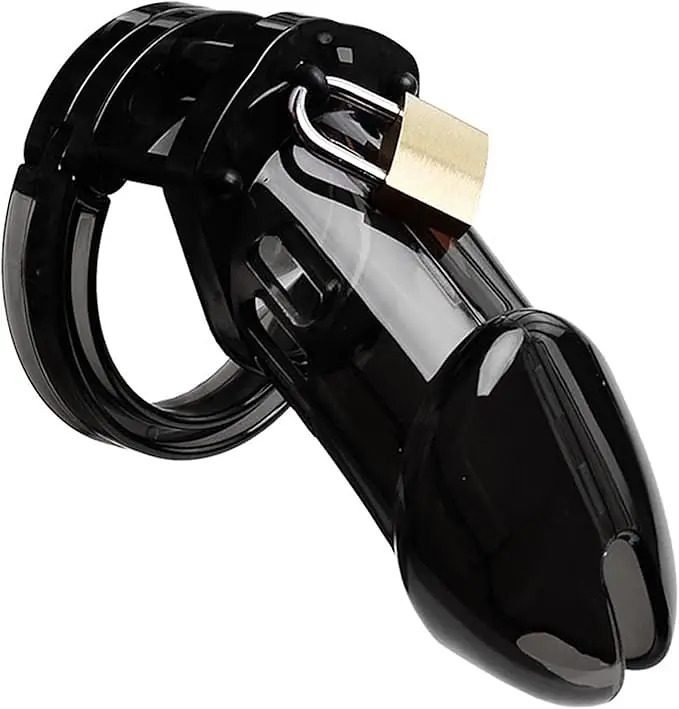
Lock Master Ultra-Light Chastity Cage
Built from a hypoallergenic medical-grade polymer weighing under 45 grams, the Lock Master kit includes four ring sizes and spacers so you can dial in an accurate fit without buying multiple products. The open-frame design keeps airflow high and hygiene simple, while the flush stealth lock avoids the pinching common with heavier metal cages.
Check Sizing Kit & PriceCommon Sizing Mistakes to Avoid
Measuring While Aroused
This is the single most common error and leads to a cage that's too tight for daily wear.
Ignoring Testicle Room
The ring needs to comfortably clear the testicles, not just the base of the penis — a common oversight with generic sizing charts.
Choosing Length Based on Ego, Not Comfort
A longer cage isn't more secure — it's more likely to press uncomfortably against the tip during movement.
Frequently Asked Questions
Watch for numbness, a cold or discolored tip, or throbbing pain after 15–20 minutes of wear. Any of these mean you should remove the device and size up.
Yes, once you've confirmed a comfortable, well-ventilated fit during the day. Lightweight, breathable materials like medical polymer are generally easier for extended and overnight wear than solid metal.
Yes, slightly. Always measure in millimetres rather than relying on generic S/M/L labels, and check the specific product's sizing kit before ordering.
Reach out to our support team on WhatsApp with your measurements — we can recommend the closest fit or a suitable spacer combination before you commit to daily wear.


Add comment
You must be logged in to post a comment.